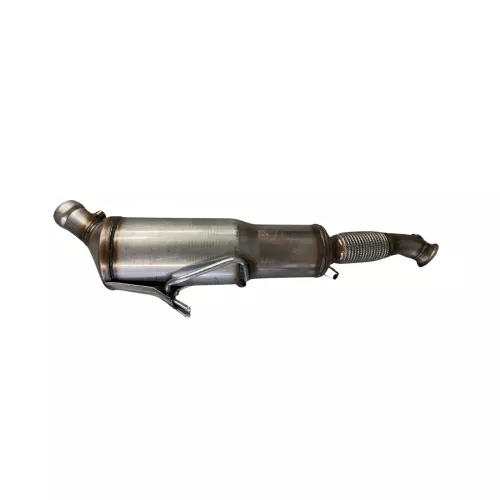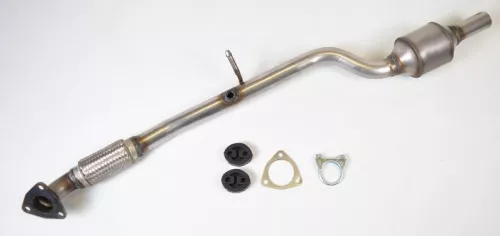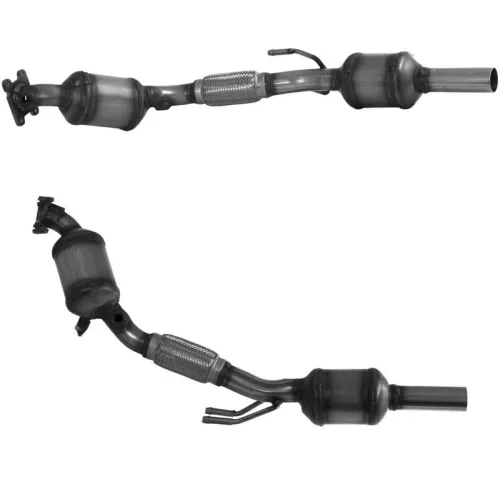

Emission standards for particle filter cars refer to regulations that limit the amount of harmful pollutants that vehicles can emit. These standards are designed to reduce air pollution and improve public health.
In the context of diesel engines, particulate filters (DPFs) are used to capture and reduce particulate matter (PM), which includes soot and other fine particles. The emission standards set maximum allowable levels of PM and other pollutants, such as nitrogen oxides (NOx), hydrocarbons, and carbon monoxide.
Different regions have varying standards, such as Euro 6 in Europe, which has specific limits for new vehicles. Cars equipped with DPFs are required to meet these standards by efficiently filtering out soot and regenerating to burn off accumulated particulates. Compliance with these standards often involves regular testing and monitoring to ensure vehicles remain within the allowed emissions limits throughout their lifespan.
Emission standards for particle filter cars refer to regulations that limit the amount of harmful pollutants that vehicles can emit. These standards are designed to reduce air pollution and improve public health.
In the context of diesel engines, particulate filters (DPFs) are used to capture and reduce particulate matter (PM), which includes soot and other fine particles. The emission standards set maximum allowable levels of PM and other pollutants, such as nitrogen oxides (NOx), hydrocarbons, and carbon monoxide.
Different regions have varying standards, such as Euro 6 in Europe, which has specific limits for new vehicles. Cars equipped with DPFs are required to meet these standards by efficiently filtering out soot and regenerating to burn off accumulated particulates. Compliance with these standards often involves regular testing and monitoring to ensure vehicles remain within the allowed emissions limits throughout their lifespan.
Return label only for old parts. For other use 14€ fee
Old part criteria for deposit refund
Old part must be original and must not be emptied!
Material
Cordierite
Fitting position
Exhaust
Surface finish
Katalysator
Manufacturer warranty
24 monate
Included in delivery
Catalytic Converter
Country of manufacture
Germany
Quality seals
E-Prüfzeichen
Extra info
Approved
Emission standard
Emission standards for particle filter cars refer to regulations that limit the amount of harmful pollutants that vehicles can emit. These standards are designed to reduce air pollution and improve public health.
In the context of diesel engines, particulate filters (DPFs) are used to capture and reduce particulate matter (PM), which includes soot and other fine particles. The emission standards set maximum allowable levels of PM and other pollutants, such as nitrogen oxides (NOx), hydrocarbons, and carbon monoxide.
Different regions have varying standards, such as Euro 6 in Europe, which has specific limits for new vehicles. Cars equipped with DPFs are required to meet these standards by efficiently filtering out soot and regenerating to burn off accumulated particulates. Compliance with these standards often involves regular testing and monitoring to ensure vehicles remain within the allowed emissions limits throughout their lifespan.
Emission standards for particle filter cars refer to regulations that limit the amount of harmful pollutants that vehicles can emit. These standards are designed to reduce air pollution and improve public health.
In the context of diesel engines, particulate filters (DPFs) are used to capture and reduce particulate matter (PM), which includes soot and other fine particles. The emission standards set maximum allowable levels of PM and other pollutants, such as nitrogen oxides (NOx), hydrocarbons, and carbon monoxide.
Different regions have varying standards, such as Euro 6 in Europe, which has specific limits for new vehicles. Cars equipped with DPFs are required to meet these standards by efficiently filtering out soot and regenerating to burn off accumulated particulates. Compliance with these standards often involves regular testing and monitoring to ensure vehicles remain within the allowed emissions limits throughout their lifespan.
Emission standards for particle filter cars refer to regulations that limit the amount of harmful pollutants that vehicles can emit. These standards are designed to reduce air pollution and improve public health.
In the context of diesel engines, particulate filters (DPFs) are used to capture and reduce particulate matter (PM), which includes soot and other fine particles. The emission standards set maximum allowable levels of PM and other pollutants, such as nitrogen oxides (NOx), hydrocarbons, and carbon monoxide.
Different regions have varying standards, such as Euro 6 in Europe, which has specific limits for new vehicles. Cars equipped with DPFs are required to meet these standards by efficiently filtering out soot and regenerating to burn off accumulated particulates. Compliance with these standards often involves regular testing and monitoring to ensure vehicles remain within the allowed emissions limits throughout their lifespan.
Emission standards for particle filter cars refer to regulations that limit the amount of harmful pollutants that vehicles can emit. These standards are designed to reduce air pollution and improve public health.
In the context of diesel engines, particulate filters (DPFs) are used to capture and reduce particulate matter (PM), which includes soot and other fine particles. The emission standards set maximum allowable levels of PM and other pollutants, such as nitrogen oxides (NOx), hydrocarbons, and carbon monoxide.
Different regions have varying standards, such as Euro 6 in Europe, which has specific limits for new vehicles. Cars equipped with DPFs are required to meet these standards by efficiently filtering out soot and regenerating to burn off accumulated particulates. Compliance with these standards often involves regular testing and monitoring to ensure vehicles remain within the allowed emissions limits throughout their lifespan.
Emission standards for particle filter cars refer to regulations that limit the amount of harmful pollutants that vehicles can emit. These standards are designed to reduce air pollution and improve public health.
In the context of diesel engines, particulate filters (DPFs) are used to capture and reduce particulate matter (PM), which includes soot and other fine particles. The emission standards set maximum allowable levels of PM and other pollutants, such as nitrogen oxides (NOx), hydrocarbons, and carbon monoxide.
Different regions have varying standards, such as Euro 6 in Europe, which has specific limits for new vehicles. Cars equipped with DPFs are required to meet these standards by efficiently filtering out soot and regenerating to burn off accumulated particulates. Compliance with these standards often involves regular testing and monitoring to ensure vehicles remain within the allowed emissions limits throughout their lifespan.
Emission standards for particle filter cars refer to regulations that limit the amount of harmful pollutants that vehicles can emit. These standards are designed to reduce air pollution and improve public health.
In the context of diesel engines, particulate filters (DPFs) are used to capture and reduce particulate matter (PM), which includes soot and other fine particles. The emission standards set maximum allowable levels of PM and other pollutants, such as nitrogen oxides (NOx), hydrocarbons, and carbon monoxide.
Different regions have varying standards, such as Euro 6 in Europe, which has specific limits for new vehicles. Cars equipped with DPFs are required to meet these standards by efficiently filtering out soot and regenerating to burn off accumulated particulates. Compliance with these standards often involves regular testing and monitoring to ensure vehicles remain within the allowed emissions limits throughout their lifespan.
Emission standards for particle filter cars refer to regulations that limit the amount of harmful pollutants that vehicles can emit. These standards are designed to reduce air pollution and improve public health.
In the context of diesel engines, particulate filters (DPFs) are used to capture and reduce particulate matter (PM), which includes soot and other fine particles. The emission standards set maximum allowable levels of PM and other pollutants, such as nitrogen oxides (NOx), hydrocarbons, and carbon monoxide.
Different regions have varying standards, such as Euro 6 in Europe, which has specific limits for new vehicles. Cars equipped with DPFs are required to meet these standards by efficiently filtering out soot and regenerating to burn off accumulated particulates. Compliance with these standards often involves regular testing and monitoring to ensure vehicles remain within the allowed emissions limits throughout their lifespan.
Emission standards for particle filter cars refer to regulations that limit the amount of harmful pollutants that vehicles can emit. These standards are designed to reduce air pollution and improve public health.
In the context of diesel engines, particulate filters (DPFs) are used to capture and reduce particulate matter (PM), which includes soot and other fine particles. The emission standards set maximum allowable levels of PM and other pollutants, such as nitrogen oxides (NOx), hydrocarbons, and carbon monoxide.
Different regions have varying standards, such as Euro 6 in Europe, which has specific limits for new vehicles. Cars equipped with DPFs are required to meet these standards by efficiently filtering out soot and regenerating to burn off accumulated particulates. Compliance with these standards often involves regular testing and monitoring to ensure vehicles remain within the allowed emissions limits throughout their lifespan.
Emission standards for particle filter cars refer to regulations that limit the amount of harmful pollutants that vehicles can emit. These standards are designed to reduce air pollution and improve public health.
In the context of diesel engines, particulate filters (DPFs) are used to capture and reduce particulate matter (PM), which includes soot and other fine particles. The emission standards set maximum allowable levels of PM and other pollutants, such as nitrogen oxides (NOx), hydrocarbons, and carbon monoxide.
Different regions have varying standards, such as Euro 6 in Europe, which has specific limits for new vehicles. Cars equipped with DPFs are required to meet these standards by efficiently filtering out soot and regenerating to burn off accumulated particulates. Compliance with these standards often involves regular testing and monitoring to ensure vehicles remain within the allowed emissions limits throughout their lifespan.
Emission standards for particle filter cars refer to regulations that limit the amount of harmful pollutants that vehicles can emit. These standards are designed to reduce air pollution and improve public health.
In the context of diesel engines, particulate filters (DPFs) are used to capture and reduce particulate matter (PM), which includes soot and other fine particles. The emission standards set maximum allowable levels of PM and other pollutants, such as nitrogen oxides (NOx), hydrocarbons, and carbon monoxide.
Different regions have varying standards, such as Euro 6 in Europe, which has specific limits for new vehicles. Cars equipped with DPFs are required to meet these standards by efficiently filtering out soot and regenerating to burn off accumulated particulates. Compliance with these standards often involves regular testing and monitoring to ensure vehicles remain within the allowed emissions limits throughout their lifespan.
Emission standards for particle filter cars refer to regulations that limit the amount of harmful pollutants that vehicles can emit. These standards are designed to reduce air pollution and improve public health.
In the context of diesel engines, particulate filters (DPFs) are used to capture and reduce particulate matter (PM), which includes soot and other fine particles. The emission standards set maximum allowable levels of PM and other pollutants, such as nitrogen oxides (NOx), hydrocarbons, and carbon monoxide.
Different regions have varying standards, such as Euro 6 in Europe, which has specific limits for new vehicles. Cars equipped with DPFs are required to meet these standards by efficiently filtering out soot and regenerating to burn off accumulated particulates. Compliance with these standards often involves regular testing and monitoring to ensure vehicles remain within the allowed emissions limits throughout their lifespan.
Emission standards for particle filter cars refer to regulations that limit the amount of harmful pollutants that vehicles can emit. These standards are designed to reduce air pollution and improve public health.
In the context of diesel engines, particulate filters (DPFs) are used to capture and reduce particulate matter (PM), which includes soot and other fine particles. The emission standards set maximum allowable levels of PM and other pollutants, such as nitrogen oxides (NOx), hydrocarbons, and carbon monoxide.
Different regions have varying standards, such as Euro 6 in Europe, which has specific limits for new vehicles. Cars equipped with DPFs are required to meet these standards by efficiently filtering out soot and regenerating to burn off accumulated particulates. Compliance with these standards often involves regular testing and monitoring to ensure vehicles remain within the allowed emissions limits throughout their lifespan.
Emission standards for particle filter cars refer to regulations that limit the amount of harmful pollutants that vehicles can emit. These standards are designed to reduce air pollution and improve public health.
In the context of diesel engines, particulate filters (DPFs) are used to capture and reduce particulate matter (PM), which includes soot and other fine particles. The emission standards set maximum allowable levels of PM and other pollutants, such as nitrogen oxides (NOx), hydrocarbons, and carbon monoxide.
Different regions have varying standards, such as Euro 6 in Europe, which has specific limits for new vehicles. Cars equipped with DPFs are required to meet these standards by efficiently filtering out soot and regenerating to burn off accumulated particulates. Compliance with these standards often involves regular testing and monitoring to ensure vehicles remain within the allowed emissions limits throughout their lifespan.
Emission standards for particle filter cars refer to regulations that limit the amount of harmful pollutants that vehicles can emit. These standards are designed to reduce air pollution and improve public health.
In the context of diesel engines, particulate filters (DPFs) are used to capture and reduce particulate matter (PM), which includes soot and other fine particles. The emission standards set maximum allowable levels of PM and other pollutants, such as nitrogen oxides (NOx), hydrocarbons, and carbon monoxide.
Different regions have varying standards, such as Euro 6 in Europe, which has specific limits for new vehicles. Cars equipped with DPFs are required to meet these standards by efficiently filtering out soot and regenerating to burn off accumulated particulates. Compliance with these standards often involves regular testing and monitoring to ensure vehicles remain within the allowed emissions limits throughout their lifespan.
Emission standards for particle filter cars refer to regulations that limit the amount of harmful pollutants that vehicles can emit. These standards are designed to reduce air pollution and improve public health.
In the context of diesel engines, particulate filters (DPFs) are used to capture and reduce particulate matter (PM), which includes soot and other fine particles. The emission standards set maximum allowable levels of PM and other pollutants, such as nitrogen oxides (NOx), hydrocarbons, and carbon monoxide.
Different regions have varying standards, such as Euro 6 in Europe, which has specific limits for new vehicles. Cars equipped with DPFs are required to meet these standards by efficiently filtering out soot and regenerating to burn off accumulated particulates. Compliance with these standards often involves regular testing and monitoring to ensure vehicles remain within the allowed emissions limits throughout their lifespan.
Emission standards for particle filter cars refer to regulations that limit the amount of harmful pollutants that vehicles can emit. These standards are designed to reduce air pollution and improve public health.
In the context of diesel engines, particulate filters (DPFs) are used to capture and reduce particulate matter (PM), which includes soot and other fine particles. The emission standards set maximum allowable levels of PM and other pollutants, such as nitrogen oxides (NOx), hydrocarbons, and carbon monoxide.
Different regions have varying standards, such as Euro 6 in Europe, which has specific limits for new vehicles. Cars equipped with DPFs are required to meet these standards by efficiently filtering out soot and regenerating to burn off accumulated particulates. Compliance with these standards often involves regular testing and monitoring to ensure vehicles remain within the allowed emissions limits throughout their lifespan.
##AFFIL_SHOPNAME## offers you a wide range in beautiful and luxurious Catalyst. We have Catalyst in various styles such as metropolitan, modern, rural or luxurious. We have a matching Catalyst for every living style and taste.

Cookie consent
Wij gebruiken cookies en andere technologieën om jouw ervaring te personaliseren, advertenties te tonen en analyses uit te voeren. We zullen deze cookies of technologieën pas voor deze doeleinden gebruiken nadat je hiermee hebt ingestemd. Bekijk voor meer informatie ons Privacybeleid